
large framed bathroom mirror
Heavy Duty Anti-Vibration Pads Isang Gabay para sa mga Negosyo at Industriya Sa panahon ng modernong teknolohiya at mabilis na pag-unlad sa industriya, ang mga heavy duty anti-vibration pads ay nagiging mahalaga sa iba't ibang sektor. Ang mga pad na ito ay dinisenyo upang mabawasan ang mga panginginig na dulot ng mga makinarya at iba pang kagamitan, na nagreresulta sa mas ligtas at mas epektibong operasyon. Sa artikulong ito, tatalakayin natin ang mga benepisyo at aplikasyon ng heavy duty anti-vibration pads sa Pilipinas. Ano ang Anti-Vibration Pads? Ang anti-vibration pads ay mga materyales na karaniwang gawa sa goma, polyurethane, o iba pang mga elastomer na may kakayahang sumipsip ng mga panginginig. Ang mga ito ay matatagpuan sa ilalim ng mga makinarya, kagamitan, at iba pang mga produktong nagiging sanhi ng vibration. Ang pangunahing layunin ng mga pads na ito ay upang mabawasan ang transfer ng panginginig sa mga paligid na estruktura at mga operatibong tao. Bakit Mahalaga ang Heavy Duty Anti-Vibration Pads? 1. Pagbawas ng Panganib Ang matitinding panginginig mula sa mga makinarya ay maaari ring magdulot ng mga pagkasira sa kagamitan at mga estruktura, na nagreresulta sa mga panganib para sa mga trabahador. Ang paggamit ng heavy duty anti-vibration pads ay tumutulong upang bawasan ang panganib ng aksidente at pinsala. 2. Taas ng Produktibidad Ang mga vibration ay hindi lamang nagdudulot ng panganib; maaari rin itong makaapekto sa produktibidad. Sa pamamagitan ng pag-install ng anti-vibration pads, ang mga negosyo ay maaaring makakuha ng mas matatag na operasyon at mas mataas na kalidad ng output. 3. Pagtatagal ng Kagamitan Ang mga vibration ay maaaring magdulot ng mabilis na pagkasira ng mga makinarya. Sa pag-install ng heavy duty anti-vibration pads, maaaring magtagal ang buhay ng kagamitan at mabawasan ang gastos sa pagpapanatili. 4. Mas mababang Ingay Ang mga anti-vibration pads ay tumutulong din sa pagbabawas ng ingay na dulot ng mga makina. Ito ay nagreresulta sa mas komportableng kapaligiran sa trabaho at mas kaunting pagka-abala para sa mga empleyado. Mga Aplikasyon ng Heavy Duty Anti-Vibration Pads heavy duty anti vibration pads 1. Mekanikal na Negosyo Sa mga pabrika at kombinyer, ang mga makina ay kadalasang nagiging sanhi ng matinding vibration. Ang mga anti-vibration pads ay epektibong ginagamit upang mapanatili ang katatagan ng mga makinang ito. 2. Pagbuo ng Materyales Sa mga industriya ng konstruksyon, ang mga heavy duty anti-vibration pads ay ginagamit upang mabawasan ang mga vibration mula sa mga power tools at heavy equipment. 3. Transportasyon Ang mga anti-vibration pads ay ginagamit din sa mga sasakyan at sasakyang panghimpapawid upang mabawasan ang vibrations na maaaring makasira sa mga kagamitan at pasilidad. 4. Siyentipikong Pananaliksik Sa mga laboratoryo at research facilities, ang mga anti-vibration pads ay mahalaga upang masiguro ang katumpakan ng mga sensitive na kagamitan at eksperimento. Paano Pumili ng Tamang Anti-Vibration Pads? Sa pagpili ng tamang heavy duty anti-vibration pads, dapat isaalang-alang ang sumusunod - Timbang ng Makina Siguraduhing ang pad ay kayang suportahan ang bigat ng kagamitan. - Uri ng Vibration Iba-iba ang mga uri ng vibration, kaya mahalaga na pumili ng pad na angkop sa uri ng vibration na naranasan. - Temperatura at Kapaligiran Isaalang-alang ang temperatura at iba pang kondisyon sa kapaligiran, dahil ang ilang materyales ay hindi angkop sa mataas na temperatura o mga agresibong kemikal. - Densidad at Kagamitan Ang densidad ng pad ay mahalaga upang matukoy ang epektibong pagsipsip ng panginginig. Konklusyon Sa pangkalahatan, ang heavy duty anti-vibration pads ay isang maliit ngunit mahalagang bahagi ng mga makinarya at kagamitan sa iba't ibang industriya. Ang mga benepisyo nito ay hindi matatawaran, mula sa pagbawas ng panganib at ingay hanggang sa pagpapabuti ng produktibidad at pagpapahaba ng buhay ng kagamitan. Sa Pilipinas, ang pag-adopt ng ganitong uri ng teknolohiya ay maaaring magdala ng mas maraming benepisyo sa mga negosyo at industriyang patuloy na nagsusumikap para sa pagpapabuti at inobasyon.
about
large framed bathroom mirror
Understanding the Price Range for 150 to 300 Micrometer Products In various industrial applications, the size of particles or materials plays a crucial role in determining their effectiveness and usability. Specifically, products ranging from 150 to 300 micrometers are integral in industries like pharmaceuticals, cosmetics, food processing, and construction. These particles can influence product performance, texture, and absorption rates, hence the pricing for these materials can vary widely. In this article, we will explore the factors affecting the price bracket for products within the 150 to 300 micrometer range, and the implications for businesses and consumers. Market Overview The global market for materials within the 150 to 300 micrometer size range is extensive. These materials are utilized in various forms, including powders, granules, and emulsions, prominently featured in coatings, inks, and food additives. The price for these products can range from a few dollars to several hundred dollars per kilogram, depending on the type of material, production methods, and application needs. Factors Affecting Pricing 1. Material Composition The type of raw materials significantly impacts pricing. Natural materials, like certain clays or minerals, might be cheaper compared to synthetic polymers or specialty chemicals that require advanced manufacturing techniques. For instance, nano-coatings derived from sophisticated chemical processes may fall at the higher end of the price spectrum due to their enhanced characteristics and functionalities. 2. Production Methods The technique used to produce the micrometer-sized particles can also dictate their cost. Traditional milling or grinding processes tend to be less expensive than high-tech alternatives such as laser ablation or high-energy ball milling. The energy requirements, machinery involved, and labor costs play crucial roles here. Therefore, manufacturers often invest in more efficient production methods to lower costs long-term, but initial investment can lead to higher prices initially. 150 to 300 micrometer price 3. Purity and Quality Control High-purity materials often demand higher prices. Industries like pharmaceuticals require raw materials that meet stringent regulatory standards. Consequently, the costs associated with quality control, testing, and compliance contribute to the final pricing. Companies focusing on high-purity products may need to charge a premium, reflecting the investment in quality assurance. 4. Supply and Demand Dynamics Like any commodity, the price of micrometer-sized materials is also influenced by market demand and supply. Increased demand in a rapidly growing sector, such as nanotechnology or sustainable materials, can drive prices higher, especially if production capacities are limited. Conversely, a surplus of raw materials or a drop in demand can lead to reduced prices. 5. Geopolitical and Economic Factors Global events, trade tariffs, and changes in regulations can affect material costs. For example, a trade dispute could lead to increased tariffs on raw materials imported from certain countries, raising prices domestically. Conclusion The pricing for products in the 150 to 300 micrometer range is a complex interplay of material types, production methodologies, purity levels, market dynamics, and broader economic factors. Businesses looking to navigate this market must carefully evaluate their needs and consider the implications of pricing on their supply chain and product development. Understanding these variables can empower businesses to make informed choices, whether they are sourcing cheap raw materials for bulk production or investing in high-purity compounds for specialized applications. As demand continues to grow across sectors, interest in micrometer-sized products is likely to expand. Stakeholders in this market should stay informed about pricing trends and production innovations to maintain a competitive edge and maximize their investment returns. This understanding will not only help in making strategic purchasing decisions but also in anticipating future market shifts and tailoring product offerings to meet evolving consumer needs.
-

High quality industrial productsagement

High quality industrial products
View Details -

Meet the diverse needs of customers

Meet the diverse needs of customers
View Details -

Strict quality control

Strict quality control
View Details -

Top raw materials

Top raw materials
View Details -

Trusted supplier

Trusted supplier
View Details
Our application

news and information

Vibration Dampening Pads for Industrial Machinery and Equipment in Heavy Applications
Vibration Damping Pads for Heavy Machinery An Essential Component for Performance and Longevity In t
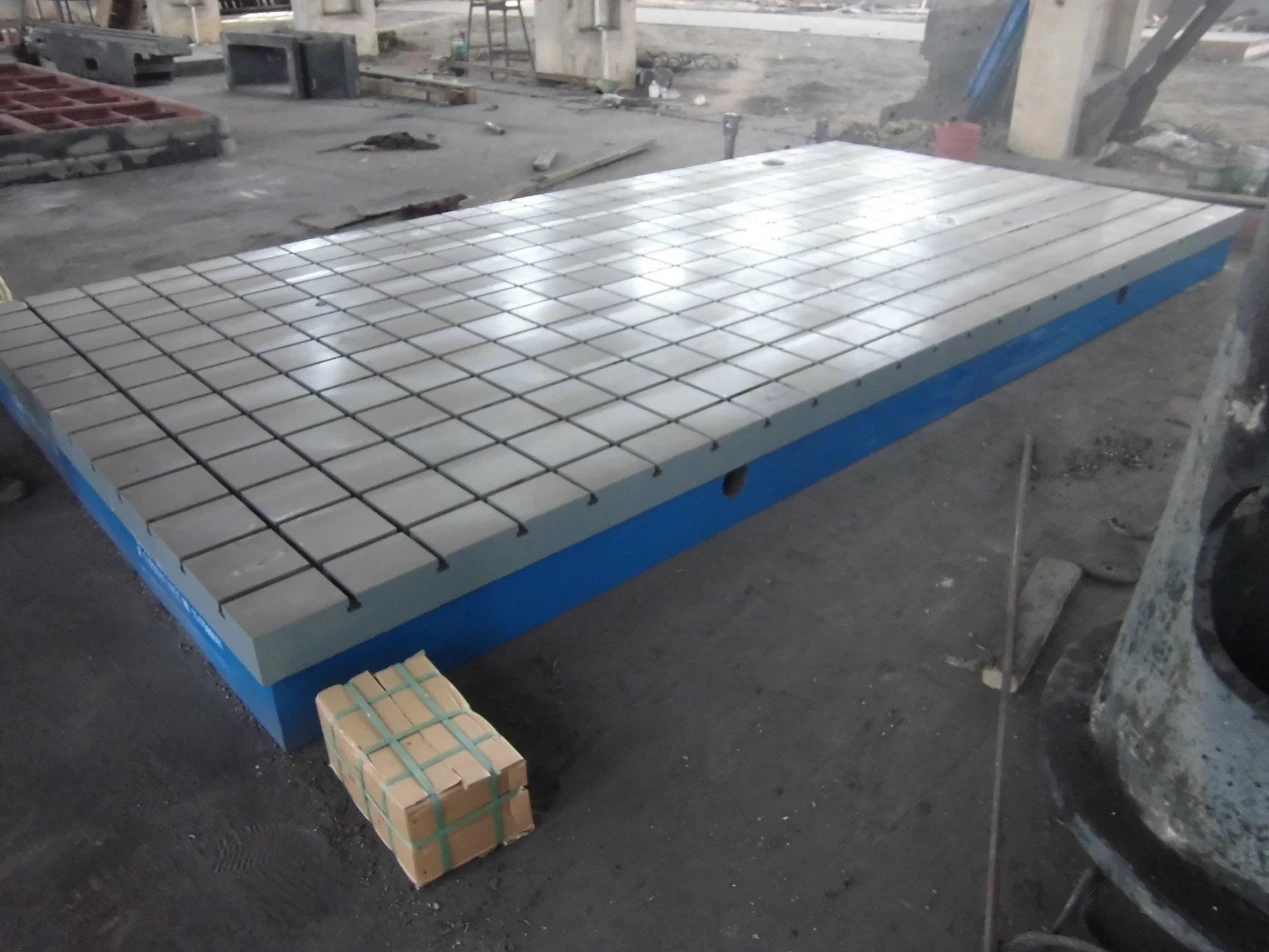
welding table manufacturer
The Importance of Choosing the Right Welding Table Manufacturer Welding is a critical process in var
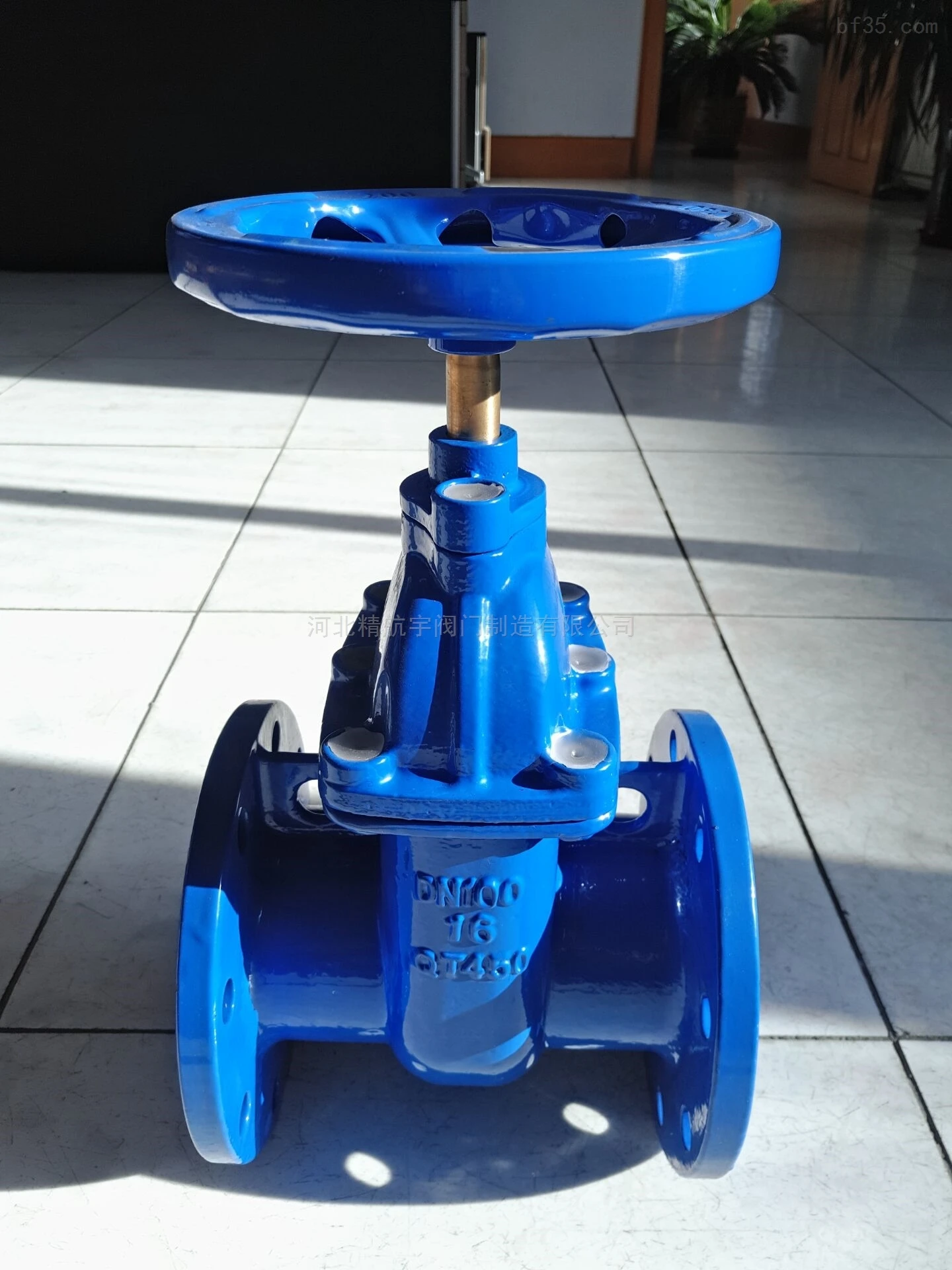
Válvula de puerta de 50 mm
Válvula de compuerta de 50 mm una solución eficaz para el control de fluidos La válvula de compuerta
 English